Maybe your first birth ended in a cesarean you didn’t plan for. Now you’re pregnant again, wondering if things could go differently, and hearing everyone’s opinion about what you “should” do.
If you’re feeling hopeful and nervous at the same time, you’re not alone. In this post, we’re sharing how to prepare for a VBAC the way we do with our own clients. And we want to say this right up front: a successful birth after cesarean doesn’t have to mean a vaginal birth. The goal is a safe, supported, informed birth, whether that ends in a VBAC or another cesarean.
What does VBAC mean, and what is TOLAC?
VBAC stands for vaginal birth after cesarean. You might also hear the term TOLAC. The TOLAC meaning is “trial of labor after cesarean,” and theCleveland Clinic notes that providers sometimes use the two interchangeably.
We prefer VBAC. The word “trial” can make it sound like a clock is running. In the episode, we get into why that word lands so heavily for so many moms, and then kick things off with a rapid-fire VBAC myth or reality round. (Spoiler: no, an epidural during VBAC isn’t off the table.)
Feel Calm & Supported in Labor!
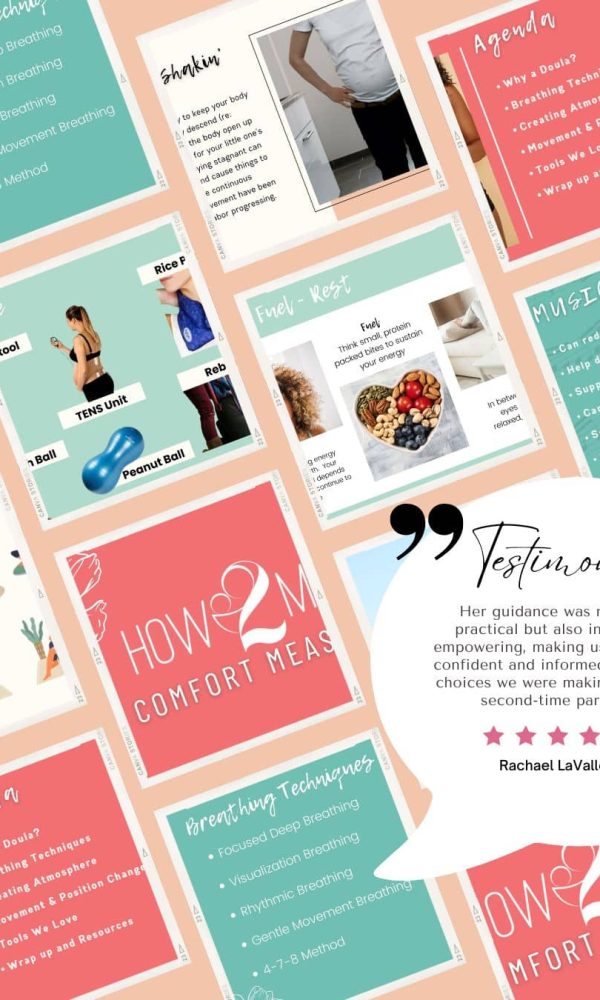
Join How2Mom’s Comfort Measures for Labor class, available online and on demand, so you can learn at your own pace.
✔ Hands-on tools – positioning, breathing, massage, rebozo, and more ✔ Partner-friendly – practical ways your support person can help in the moment ✔ Flexible learning – self-paced lessons, a course workbook, and lifetime access
Bring more comfort and confidence into labor, whether you’re planning an epidural or not.
Many people don’t realize they’re allowed to request the records from their first birth. You are. That’s your story, and it’s one of the first things we suggest looking at.
Why was a cesarean recommended?
What type of uterine incision did you have?
How many cesareans or other uterine surgeries have you had?
Where was baby during labor?
Reading through what was charted can bring up feelings, and that’s okay. It also helps you get curious about your own body. Do you agree with how things were described? Is there anything you still have questions about? Bring those questions to your provider and your birth team.
VBAC after 18 months: why timing matters
One of the most common questions we hear is how long to wait for VBAC after C section. Many providers look for about 18 months between your cesarean and your next birth, so the incision can heal well through every layer. If your pregnancies are closer together, that doesn’t automatically close the door.
Your provider can take the time to assess your body and your specific situation.Mayo Clinic’s overview of VBAC is a helpful read on how your history shapes your options, and it’s a conversation to start with your provider early.
How do I find a VBAC supportive provider?
What we’re seeing is that plenty of providers say “yes, we support VBACs” early on, and then the support quietly shrinks as pregnancy goes on. So this time, we encourage asking the harder questions early:
How many VBACs do you attend in a year?
How do you approach VBAC induction?
What happens if I don’t go into labor on my own?
What are your thoughts on VBAC with high blood pressure or other changes in pregnancy?
Pay attention to how the answers feel. If a provider sounds fearful before they even know your history, that’s worth noticing. You’re allowed to interview other providers, too. And if you’re with a group practice, it can help to ask the same questions of each provider you see. Asking isn’t about challenging anyone. It shows you’re invested in your care, and you deserve to know before labor starts, not during it.
Why your "why" matters
A cesarean doesn’t automatically mean trauma. But if you hoped for a vaginal birth and didn’t get space to process what happened, those feelings can come along into your next birth. That’s why so much of our first VBAC meeting is spent walking through the first birth together. We answer questions, and we hold space for you and your partner to heal. That processing is part of the preparation.
Then we get to your why. Autonomy? Baby right on your chest? Not being in the OR? You’ll likely hear “no” or other people’s fears along the way, and your why is what you can hold onto. In the episode, Stephanie shares what happens when that conversation uncovers something unexpected, like realizing a VBAC is something someone else wants for you.
And that’s okay too. Sometimes family members say things like, “Don’t you want to try?” Those comments can quietly shape a mom’s decision. We give clients room to say whatever they need to say, so the choice that comes out of it is really theirs.
If you’re reading this as a friend or family member, here’s a gentle invitation. When someone shares they’re pregnant again after a cesarean, try asking, “What kind of birth are you hoping for?” before offering an opinion. We don’t assume every client who had a cesarean wants a VBAC, and you don’t have to either.
VBAC induction: can you be induced for a VBAC?
If you’re hoping to go into labor on your own, that makes sense. Spontaneous labor is often linked with a lower chance of cesarean, but for VBACs it’s more nuanced. If your first baby came at 41 and a half weeks and weighed 10 pounds, an induction might be a reasonable part of your plan.
VBAC induction is possible, but methods vary by provider. Some use a balloon to gently open the cervix but avoid cervical ripening medications. Others won’t induce a VBAC at all and will recommend a cesarean after a certain week. If you tend to go into labor around 40 weeks and your provider recommends surgery at 39, it’s worth asking whether a VBAC is truly on the table.
Pitocin and VBAC: what to ask
Pitocin and VBAC is one of the most common questions we hear. Some providers will use it with close monitoring, and some prefer not to. Ask early, and remember: if labor doesn’t start on its own, you haven’t failed. You just have different options to talk through.
Can you have an epidural during VBAC?
Yes. This is one of the myths we bust in the episode. An epidural during VBAC can be part of your plan, and Stephanie explains why there’s actually a method to that madness. If pain relief is something you’re considering, talk it through with your provider and your birth team ahead of time so it feels like a choice, not a surprise.
How movement, positioning, and a doula for VBAC support can help
Is a VBAC after failure to progress possible?
If failure to progress was the cause for the C section the first time, it’s easy to assume your body can’t do it. Your body is not broken. A VBAC after failure to progress can still be an option for many families, especially when the first labor didn’t include much movement, position changes, or support. One of the VBAC scenarios we feel most hopeful about is when the baby didn’t enter the pelvis the first time, or was breech. In those cases, we support mom almost like a first-time mom, because her body hasn’t made that path yet.
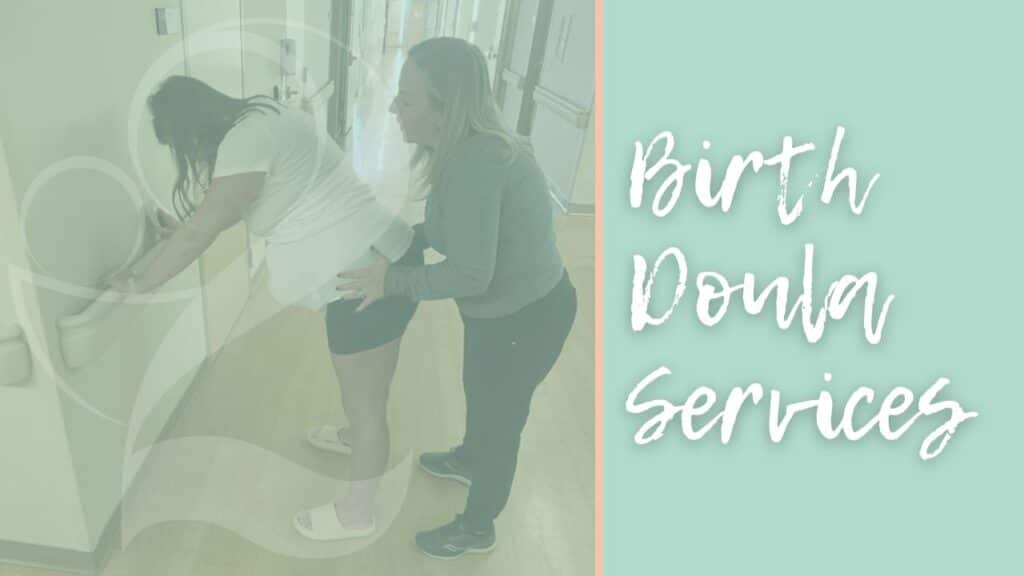
Gravity, movement, and people who understand fetal positioning can make a real difference. ACochrane review on continuous labor support found that people with continuous support were less likely to have a cesarean. Learning these tools ahead of time helps too, and ourComfort Measures for Labor class walks you and your partner through them.
Another option is asking about a mobile ultrasound in labor. In some of our recent VBAC births, providers brought one in to confirm where the baby was. That gave everyone, including mom, more confidence about which positions to try next. If no one brings it up and positioning feels uncertain, it’s okay to ask.
If you’re thinking about a doula for VBAC support, ourbirth doula team walks alongside VBAC families from that first story review through birth. (Ask us sometime about standing on a hospital bed, shoes off, mid-labor. Nikki tells that story best in the episode.)
If you're pregnant with your first, this matters too
This topic isn’t only for moms who’ve already had a cesarean. If you’re pregnant with your first and hoping for a vaginal birth, the support you have this time can shape your options next time.
That’s a big part of why we do what we do. Sometimes it looks like a long labor, a lot of position changes, and gently advocating for more time before heading to the OR. We’re tired, our backs ache, and we keep going, because we know what a vaginal first birth can open up for future births. Of course, safety comes first, and some families do everything and still have a cesarean. But many moms look back and wish they’d had more information. We want you to have it now.
Repeat C Section vs VBAC: what does a successful birth look like?
When people compare a repeat C-section vs. VBAC, it can start to sound like pass or fail. It isn’t. Some of our clients do everything they can and still have a cesarean. Some choose a planned cesarean from the start. Some have the VBAC they hoped for. All of those can be safe, supported, empowered births. You can hope for a VBAC, prepare for it, and advocate for it, and you still don’t have to prove anything by having one. A safe, informed, supported birth is a successful birth.
Building your VBAC support team
Whether this is your first birth or your second, the people around you matter. Here’s who we hope you have in your corner:
A provider you trust.
Someone who answers your questions, believes in you, and doesn’t make you feel like an inconvenience.
An invested partner.
Someone who understands your why and can help hold it when things get hard.
Nurses who respect you.
If something doesn’t feel right, it’s okay to request a different nurse.
A protected circle.
You don’t need worst-case stories while you prepare. The stranger at Target doesn’t know your situation.
How to increase chances of VBAC: quick VBAC preparation tips
Here’s a simple recap of what can help while you stay flexible:
Request your first birth records
Interview providers early
Process your first birth and find your why
Learn movement and comfort tools with your partner
Build a support team that’s on your side (ourfree birth plan outline can help you get your preferences on paper)
Frequently asked questions
Continuous labor support is linked with a lower chance of cesarean, which is one reason many families choose a doula for VBAC support. A doula can help you process your first birth, prepare questions for your provider, and support movement and positioning in labor. We work alongside your provider and nurses, as one piece of your care team.
Many people who've had a cesarean can talk with their provider about a VBAC, but your history matters. Things like your incision type, how many cesareans you've had, the time since your last birth, and your health this pregnancy all play a role. Your first birth records and an honest conversation with a VBAC supportive provider are a good place to start.
Start with how many VBACs they attend each year and how they approach VBAC induction, including whether they use Pitocin or a balloon. It also helps to ask what happens if you don't go into labor on your own by a certain week. Pay attention to how the answers feel, not just what they say.
You deserve to feel supported, whatever path this birth takes
Your first birth doesn’t have to define your next one. We’ve only scratched the surface here.
In the full episode, we go deeper into the myth or reality round, what we wish every first-time mom knew about her first birth, and the moments at a birth that remind us why we do this work. Listen to the full Mom2Mom episode here, and if you’d like to talk about support for your next birth,schedule a free consultation with us anytime.
You don’t have to do this alone. We’re right here with you.
We are experts in all things birth and postpartum. We are more than doulas - we are your centralized place for informed education and support for your journey of motherhood.
Our premier doula agency in the Twin Cities specializes in Birth Doula Services, Postpartum Doula Services, Placenta Encapsulation, and Lactation Counseling and MORE including on demand courses.
Any/all of the links in this blog may be affiliate links of which How 2 Mom, LLC receives a small commission, without any additional cost to you. Using affiliate links help us maintain our website, continue to provide for our community, and support our families, and we are forever grateful for your support!