There is a moment almost every mom can name. It might come quietly or feel impossible to ignore, but it shows up as a deep inner sense that something feels right — or doesn’t. That feeling is often brushed off as anxiety, overthinking, or being “too emotional,” yet it continues to surface again and again in pregnancy, birth, and motherhood.
On this episode of the Mom2Mom Podcast, we had an honest conversation about mother’s intuition — what it really is, why it matters, and how learning to trust it can shape not just your birth experience, but your entire motherhood journey. This topic comes up in nearly every client meeting we have, and for good reason. Intuition is one of the most powerful tools a mother has, even though it’s rarely talked about with the respect it deserves.
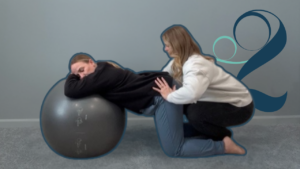
40 \\ Mother’s intuition and why trusting your gut is a clinical tool: how it matters in pregnancy, birth, and beyond
What Mother's Intuition Actually is (and what it isn't)
Mother’s intuition is often described as a gut feeling, but it’s more than a vague sense or guess. As Stephanie shared in the episode, it’s “that inner knowing… that pit in your stomach trying to guide you.” It’s the feeling that nudges you to ask another question, slow things down, or advocate for yourself — even when you don’t yet have all the words.
Importantly, intuition is not something made up or imaginary. Research shows that intuition is closely connected to the nervous system and lived bodily awareness. Our brains constantly process sensory information and past experiences, often faster than conscious thought. That’s why intuition can show up before logic catches up. The National Institutes of Health explains how the nervous system plays a central role in perception, response, and regulation — all of which influence how we experience safety and stress in our bodies.
This is why intuition feels physical. It’s not woo. It’s information.
And intuition is not the same as rejecting medical care. As Nikki emphasized, intuition doesn’t mean ignoring recommendations or refusing support. Instead, it helps you notice when something needs clarification, more time, or a deeper conversation. It gives you permission to say, “I need to understand this better,” rather than automatically moving forward out of pressure or fear.
Why Intuition Matters so Much in Pregnancy and Birth
Pregnancy and birth are moments when intuition often becomes louder — and when it’s most likely to be dismissed. Many parents are taught to trust systems and protocols without being encouraged to trust themselves. While evidence-based care is essential, research also shows that feeling heard, respected, and involved in decision-making directly impacts birth outcomes and satisfaction.
Intuition often shows up not as an answer, but as a pause. A feeling that something doesn’t align yet. As Stephanie shared, “You’re not a statistic. You’re not part of a research project. You’re your own individual person, and you know your body and your baby best.” That knowing matters because birth is not one-size-fits-all, even when guidelines exist.
Stay on Track with Your Pregnancy Milestones!
Not sure what to expect each month? Our FREE Pregnancy Milestones Email Series guides you through every stage—so you know what’s happening with your body, your baby, and what to prepare for next.
✔ Key milestones & changes each month ✔ Expert tips for a healthy pregnancy ✔ Delivered straight to your inbox
Feel informed and ready for every step—sign up today!
We see intuition play out in real time during labor. Sometimes everything on paper suggests staying home longer, yet a client says, “I don’t know why, but something is telling me it’s time to go in.” That’s not ignored. We trust it. More often than not, that baby arrives soon after.
Intuition also shows up non-verbally. Movement, positioning, rest — these are all guided by the body’s internal cues. Research from Evidence Based Birth highlights how freedom of movement and following bodily cues during labor can support progress and comfort.
One example we talked about in the episode is the sudden deep rest some moms experience right before pushing. While it can look concerning to observers, it’s often the body’s way of conserving energy for what’s ahead. That pause isn’t failure or stalling it’s wisdom.
Intuition Doesn't Stop After Birth
Mother’s intuition doesn’t end once your baby is born. It continues through postpartum recovery, feeding decisions, medical concerns, and parenting choices. It becomes part of how you protect your child, set boundaries, and decide who belongs in your space.
Postpartum is also a time when intuition can feel clouded by exhaustion, hormones, and outside opinions. Research on the fourth trimester (and things like Matresence) highlight how support, rest, and validation are critical for maternal wellbeing.
Learning to trust yourself early matters because motherhood is full of advice. Intuition helps you filter what aligns from what doesn’t.
Practical Ways to Strengthen your Intuition
If intuition feels quiet or confusing right now, that’s okay. It’s something you practice, not something you either have or don’t have.
Practical takeaways
Slow down before responding to decisions or recommendations
Do a body scan and notice where you’re holding tension
Sit with appointments before leaving and ask follow-up questions
Journal or make a pros and cons list to bring clarity
Ask: “What do I know to be true?” versus “What story am I telling myself?”
Lean on a support system that believes in you
Intuition often needs space before it speaks clearly.
Frequently Asked Questions Moms are Searching...
What is Mother's Intuition?
Mother’s intuition is an internal sense of knowing that helps guide decisions in pregnancy, birth, and parenting. It’s closely connected to the nervous system and lived bodily awareness.
Can Intuition be Trusted alongside Medical Advice?
Yes. Intuition doesn’t replace medical care, but it can guide questions, timing, and advocacy so you feel informed and supported in your decisions.
What if I don't feel Intuitive yet?
That’s normal. Intuition often grows with experience, reflection, and support. Many moms discover it more clearly through pregnancy, birth, and postpartum.
You are allowed to trust yourself
At How2Mom, we believe this deeply: you are allowed to ask questions, pause, and advocate for what feels right. One of the greatest honors of our work is watching moms learn to trust themselves – sometimes for the first time, sometimes again.
When you trust your intuition, you don’t become difficult. You become confident. Supported. Grounded.
And you deserve to feel that way in pregnancy, postpartum, and every stage of motherhood.
We are experts in all things birth and postpartum. We are more than doulas - we are your centralized place for informed education and support for your journey of motherhood.
Our premier doula agency in the Twin Cities specializes in Birth Doula Services, Postpartum Doula Services, Placenta Encapsulation, and Lactation Counseling and MORE including on demand courses.
Any/all of the links in this blog may be affiliate links of which How 2 Mom, LLC receives a small commission, without any additional cost to you. Using affiliate links help us maintain our website, continue to provide for our community, and support our families, and we are forever grateful for your support!