If you’ve been researching how to prepare your body for labor and you feel more overwhelmed than when you started, you are not alone. There is so much information out there. Podcasts, TikToks, group chats, well-meaning advice from every direction. It can start to feel like drinking from a fire hose.
On a recent episode of the Mom2Mom podcast, Nikki sat down with Dr. ShaRhae Matousek, a prenatal and perinatal chiropractor and owner of Real Health Chiropractic in Eden Prairie, to talk about what actually helps when you’re getting ready for labor and postpartum. Not the version that requires a Pinterest board and a color-coded binder. The version that’s simple, body-led, and rooted in how your nervous system works.
Here’s what we’re taking from that conversation, and what you can try this week.
Why Birth Prep Can Feel So Overwhelming
If this feels confusing, you’re not alone. Most moms come into pregnancy trying to do it all. Read every book, watch every video, ask every question. That instinct makes sense. You want to feel ready.
What we’re seeing, though, is that more information doesn’t always mean more confidence. Dr. ShaRhae put it simply: information is infinite. The goal isn’t to consume all of it. It’s to choose what matters most to you and leave the rest.
This can look like picking one or two trusted voices (your doula, your provider, your chiropractor) instead of an endless scroll of strangers’ opinions. It can also mean giving yourself permission to stop researching before you feel “done,” because that feeling of being fully prepared may never fully arrive, and that’s okay.
What Does Your Nervous System Have to Do With Labor?
Your body is responding to a lot right now, and your nervous system is running point on most of it. During pregnancy and birth, it’s constantly checking your safety and your balance. When it senses too much stress or too much unknown, it can shift into what Dr. ShaRhae calls sympathetic dominance, otherwise known as fight or flight.
This doesn’t mean something is wrong with you. It means your body is doing exactly what nervous systems are built to do. But when that system stays activated, it can make it harder for labor to unfold the way your body intends.
What can help here is anything that helps your body feel safe: prenatal chiropractic care, craniosacral therapy, a calm environment, a familiar voice in the room. Dr. ShaRhae has seen moms shift from anxious and wound up to kicking into labor within a couple of hours of a craniosacral therapy session, simply because their body finally felt safe enough to let go.
Prenatal Chiropractic Care and the Webster Technique
A lot of moms haven’t thought about chiropractic care as part of birth prep, but it’s one of the pieces Dr. ShaRhae comes back to again and again. She is Webster certified, meaning she has specific training to help support pelvic balance during pregnancy. Webster technique pregnancy care is designed to reduce nerve interference and support a balanced pelvis, which gives the baby more room to move into position.
Another option is craniosacral therapy pregnancy sessions, which are gentler and focus on calming the nervous system directly. Some moms benefit from a mix of both.
You might notice tension patterns you never connected to pregnancy at all. Dr. ShaRhae shared that most of us live in a right-sided world. We drive with our right leg extended, we use a mouse with our right hand, we carry babies on our left hip and torque toward the right. Over time, that pattern can show up as a locked right hip or right-sided low back pain, which is also why so much sciatica shows up on the right side.
This doesn’t mean something is wrong with your body. It just means your body has been compensating for a while, and there are simple ways to start balancing it back out.
Switch which hip you carry baby on, or try a wrap or carrier instead of always propping baby on one side
Notice which side you lean into while driving or working, and stretch the opposite direction
Ask your prenatal chiropractor about your specific patterns, since everyone compensates a little differently
Do I Need a Doula, a Chiropractor, or Both?
This is one of the most common questions we hear, and the honest answer is: you don’t have to choose. Think of it as building a team, not picking a single expert.
Here’s what a fuller team can look like:
A doula who knows your preferences and can be your steady coach through labor
A prenatal or perinatal chiropractor to support pelvic balance and nervous system regulation
Your midwife or OB, whichever you’ve chosen for your medical care
A pelvic floor therapist, especially as you move into postpartum recovery
Each person brings a different piece. None of them replace the others. As Dr. ShaRhae shared, having gone through her own pregnancies without a doula, she wishes she’d had that support, especially the first time, when you don’t yet know what a contraction feels like or how your own body will respond.
What Can Help with Mobility and Strength During Pregnancy
Mobility matters for labor and for postpartum recovery. Your body is preparing for what Dr. ShaRhae compared to running several marathons back to back. That takes endurance, and endurance is something you can build gently.
This doesn’t mean starting an intense new workout routine you’ve never done before. What can help here is simpler than that:
Walking, which is genuinely one of the best things you can do, especially outside in natural light
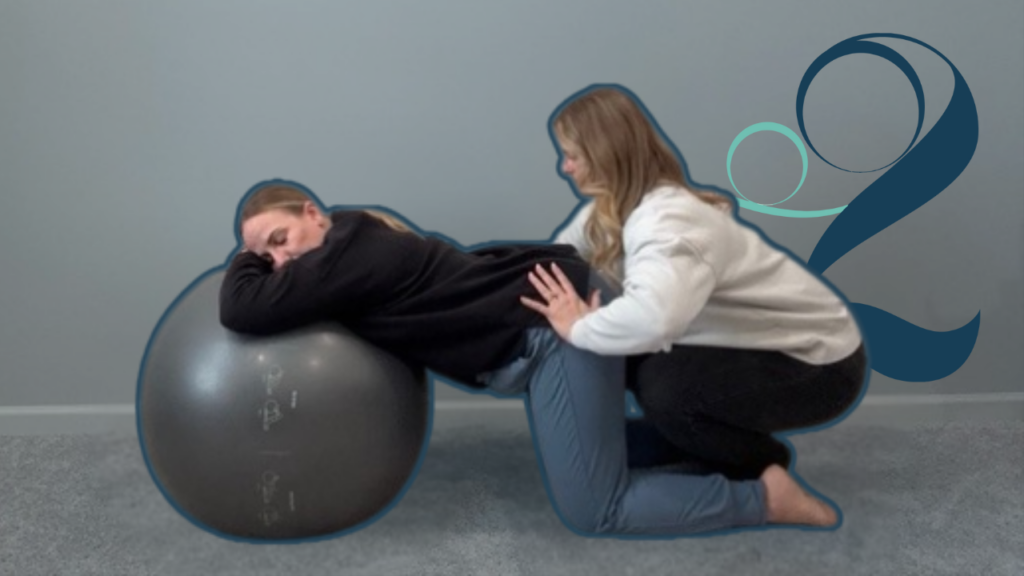
Gentle mobility work to help your pelvis move and shift the way it’s designed to
Prenatal massage or bodywork to release tension before it builds up
A quick note on prenatal massage benefits: beyond feeling good, regular bodywork can help calm your nervous system, ease tension patterns, and support the kind of balance your pelvis needs as your body changes.
Letting Go of the Perfect Birth Plan
A lot of moms carry fear around “doing it wrong.” We hear this constantly. But Dr. ShaRhae reminded us that the actual goal is simple: a happy and healthy mom and baby. Everything else is a plan, not a promise.
You might notice yourself wanting a rigid, detailed birth plan to feel in control. That instinct is completely understandable. But birth often asks us to zig and zag. The moms who struggle most tend to be the ones holding tightest to one specific outcome.
This is where tools like the How2Mom motherhood affirmation cards can help. Not because they change your mindset for you, but because they reinforce what’s already true when you’re at your weakest moment in labor: that you are capable, that this is temporary, and that you have people in your corner.
Letting those emotions move through you matters too. Dr. ShaRhae shared that some of the biggest shifts in labor happen right after a mom lets herself cry, or verbalize what she’s actually feeling. The body softens, the nervous system relaxes, and labor often moves forward from there.
What Happens After Birth: Postpartum Recovery Timeline
So many moms ask when they can go back to their normal routine, when they can start lifting weights again, when they’ll feel like themselves. There’s no single postpartum recovery timeline that fits everyone, and that’s not a failure of information. It’s just true.
What we do know is that taking care of your own body after birth isn’t separate from taking care of your baby. You are a person outside of that role too, and looking after your own recovery (physically and emotionally) helps you show up steadier for your family.
If you want a simple, guided starting point before the baby arrives, ourChildbirth Education Videos walk through birth prep at your own pace, without adding to the overwhelm.
Three Things You Can Try This Week
Dr. ShaRhae shared a simple, low-pressure list for anyone in their second or third trimester wondering where to start:
Go for a walk outside, in natural light, ideally with bare feet on grass when you can
Book a prenatal massage or an adjustment with a prenatal chiropractor to help your nervous system settle
Drink a glass of electrolytes and let yourself rest, since rest counts as prep too
There’s no rigid checklist here. Pick what feels doable this week and leave the rest for another day.
Frequently asked questions
No. They serve different roles and work well together. A doula supports you through labor itself, while a prenatal chiropractor supports your body's balance and nervous system throughout pregnancy. Many moms find having both makes them feel more covered, not more overwhelmed.
The Webster technique is a specific chiropractic approach used to help balance the pelvis and reduce nerve interference. It's often mentioned in the context of breech presentation, but it can support any pregnancy by helping the pelvis move the way it's designed to.
Walking, gentle mobility work, and bodywork like prenatal massage or chiropractic care go a long way. Pregnancy isn't the time to start an unfamiliar intense training program. Building gentle endurance and calming your nervous system matters more than pushing hard.
Yes. Anxiety isn't a sign you haven't prepared enough. It often means your nervous system is picking up on the unknown, which is part of pregnancy and birth. Support (from a doula, a chiropractor, or your care team) can help your body feel safer, which tends to ease that anxiety.
There isn't one universal timeline, since every birth and every body is different. What matters more than a specific date is checking in with your own provider and giving yourself permission to recover at your own pace, both physically and emotionally.
You Don't Have to Prep Perfectly
Having a powerful birth experience doesn’t mean you have to do everything right. It doesn’t require fancy devices or a perfectly color-coded plan. It means building a team you trust, listening to your body, and giving yourself permission to simplify.
If you want to hear this whole conversation with Dr. ShaRhae Matousek, including more on tension patterns, mindset, and what a birth team can look like, listen to Episode 53 of the Mom2Mom podcast.
And if you’re looking for support as you get ready for labor and postpartum, we’re here. Explore our Childbirth Education Videos, grab a set of Motherhood Affirmation Cards, or reach out about doula support. You don’t have to figure this out alone.
We are experts in all things birth and postpartum. We are more than doulas - we are your centralized place for informed education and support for your journey of motherhood.
Our premier doula agency in the Twin Cities specializes in Birth Doula Services, Postpartum Doula Services, Placenta Encapsulation, and Lactation Counseling and MORE including on demand courses.
Any/all of the links in this blog may be affiliate links of which How 2 Mom, LLC receives a small commission, without any additional cost to you. Using affiliate links help us maintain our website, continue to provide for our community, and support our families, and we are forever grateful for your support!