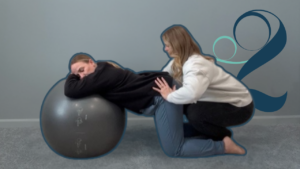
Pregnancy brings big changes—physically, emotionally, and mentally. Your body is growing a whole human, your hormones are shifting, and your nervous system is working overtime. Some days you feel connected and calm. Other days feel heavy, tight, or overwhelming. I see this every day in my work with expecting moms.
Craniosacral therapy during pregnancy is a gentle, non-invasive way to support both you and your baby through these changes. Craniosacral therapy pregnancy care isn’t about “fixing” your body—it’s about supporting it as it adapts, grows, and prepares for birth.
I’m Jackie Parks, and this is how I explain craniosacral therapy to the families I work with through How2Mom.
What Is Craniosacral Therapy (CST)?
Craniosacral therapy, sometimes called CST, is a hands-on bodywork approach that uses very light touch. Usually the focus with CST is on the craniosacral system—the membranes and fluid that surround the brain and spinal cord. The way I differ with my services, is that I also work on the rest of the body. If we are holding and feeling tension in our head, it could mean a misalignment in our pelvis, knees, feet, etc.
This system plays a big role in how your body handles stress, movement, and nervous system regulation.
Craniosacral therapy developed from osteopathic medicine and is designed to help the body release tension and find balance. There is no force, no cracking, and no deep pressure. The touch is gentle, respectful, and calming.
When the nervous system feels safe, the body is better able to do what it already knows how to do.
Why Consider Craniosacral Therapy During Pregnancy?
Pregnancy places unique physical and emotional demands on the body.
Your pelvis is shifting. Your posture is changing. Your nervous system is adapting to constant stimulation—from growth, movement, and emotion.
Craniosacral therapy pregnancy sessions focus on supporting these changes instead of fighting them. By working gently with the nervous system, craniosacral therapy can help ease physical strain while also supporting emotional balance—for both mom and baby.
Many families choose craniosacral therapy during pregnancy because it meets the body where it is, without adding more stress.
Common Benefits Of CST For Expecting Mothers
Every pregnancy is different, but these are some of the most common benefits I hear from clients:
Relief from back, neck, and pelvic discomfort
Reduced swelling and overall tension
Improved sleep and deeper relaxation
Support for emotional balance and stress regulation
Many moms tell me they leave sessions feeling lighter, calmer, and more connected—like their body finally had space to slow down.
What Conditions Can CST Help With During Pregnancy?
Craniosacral therapy can support a wide range of pregnancy-related concerns, including:
Pelvic discomfort or feelings of imbalance
Headaches or migraines
Nerve-related discomfort, such as sciatica or tingling
General tension, stress, or emotional overwhelm
CST therapy does not force the body into change. It supports the body in finding its own balance.
Stay on Track with Your Pregnancy Milestones!
Not sure what to expect each month? Our FREE Pregnancy Milestones Email Series guides you through every stage—so you know what’s happening with your body, your baby, and what to prepare for next.
✔ Key milestones & changes each month ✔ Expert tips for a healthy pregnancy ✔ Delivered straight to your inbox
Feel informed and ready for every step—sign up today!
Yes—when performed by a properly trained practitioner.
Craniosacral therapy is extremely gentle and non-invasive, which makes it well-suited for pregnancy. Practitioners complete specialized training to understand anatomy, physiology, and how to safely adapt techniques for pregnant bodies.
CST is meant to complement prenatal care, not replace it. I always encourage open communication with your healthcare providers so your care team works together to support you.
What To Except In A Craniosacral Therapy Session While Pregnant
Sessions are always adapted for comfort and safety.
You may lie on your side, use extra pillows, or shift positions as needed. Your comfort leads to every decision. The environment is calm, quiet, and supportive.
During the session, I use gentle touch to listen to your body’s natural rhythms and support areas of tension or restriction.
Sessions typically last 45–60 minutes. Some moms come occasionally, while others choose more regular support throughout pregnancy, depending on how their body feels.
Case Study - A Mother's Experience With CST
One expecting mother came to me feeling constant pelvic tension and difficulty relaxing. She shared that her body felt “on edge” all the time, even when resting.
During her craniosacral therapy sessions, we focused on calming her nervous system and supporting pelvic balance. The work was gentle and slow, allowing her body to respond without pressure.
Over time, she noticed reduced tension, better sleep, and a stronger sense of connection to her baby. She shared that sessions became one of the few places she felt fully supported and at ease during pregnancy.
How Jackie Parks Can Help Through Craniosacral Therapy
I, Jackie Parks, offer craniosacral therapy as a supportive, grounded space for expecting mothers. My goal is to help you feel safe, supported, and connected to your body as it changes.
Through gentle CST therapy, I work with your nervous system—not against it—to support comfort, balance, and overall well-being during pregnancy.
We are experts in all things birth and postpartum. We are more than doulas - we are your centralized place for informed education and support for your journey of motherhood.
Our premier doula agency in the Twin Cities specializes in Birth Doula Services, Postpartum Doula Services, Placenta Encapsulation, and Lactation Counseling and MORE including on demand courses.
Any/all of the links in this blog may be affiliate links of which How 2 Mom, LLC receives a small commission, without any additional cost to you. Using affiliate links help us maintain our website, continue to provide for our community, and support our families, and we are forever grateful for your support!